
News
The production process of PE (polyethylene) protective film is a typical plastic film processing technology. Although its pollution source does not belong to the category of highly toxic and heavy pollution, if not managed properly, it can still have an impact on the environment. The main sources of pollution can be summarized as exhaust gas, wastewater, solid waste, and noise.
Today, we will briefly discuss the treatment of industrial waste gas and exhaust gas in the production of PE protective film for industrial gas boilers. The main processes that generate exhaust gas during the production of PE protective film include printing and coating/composite processes. In the printing process, when using ink (containing organic solvents such as ethyl acetate, ethanol, isopropanol, etc.) for pattern printing, the solvents will evaporate significantly, producing VOCs (volatile organic compounds). Coating/laminating process: in order to endow the protective film with specific properties (such as tackifying and antistatic), it is necessary to coat adhesive (mostly solvent or lotion). Solvent based adhesives release a large amount of VOCs during the drying process.
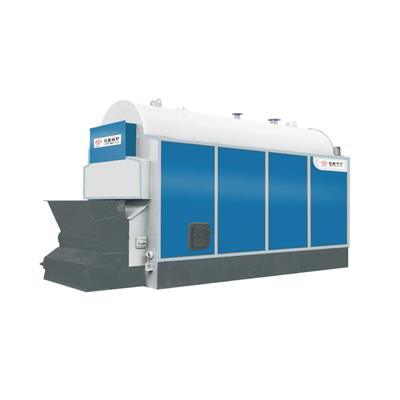
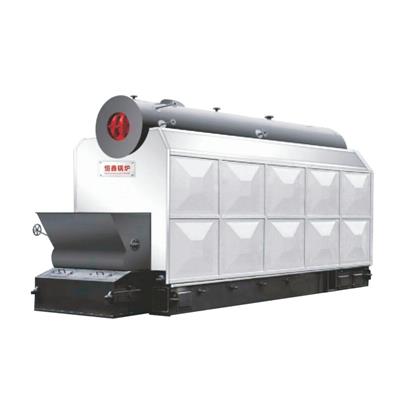
Firstly, we need to clarify that industrial gas boilers can be used to treat process exhaust gas, which is currently one of the commonly used methods for treating process exhaust gas. Industrial exhaust gas usually contains a large amount of harmful gases and dust particles, and direct emissions can have serious impacts on environmental pollution and human health. During the combustion process of industrial boilers, the exhaust gas emitted also contains a certain amount of components such as water vapor, carbon dioxide, oxygen, etc. These components can participate in chemical reactions, thereby catalyzing and reducing harmful gases, effectively reducing the content of exhaust gas and pollutant concentration.
However, when using industrial boilers to treat process exhaust gas, it is necessary to pay attention to the size of the boiler and chimney, the height of the discharge outlet, and the direction of the discharge, which must comply with environmental standards to ensure that the treated exhaust gas emissions do not cause secondary pollution to the environment.
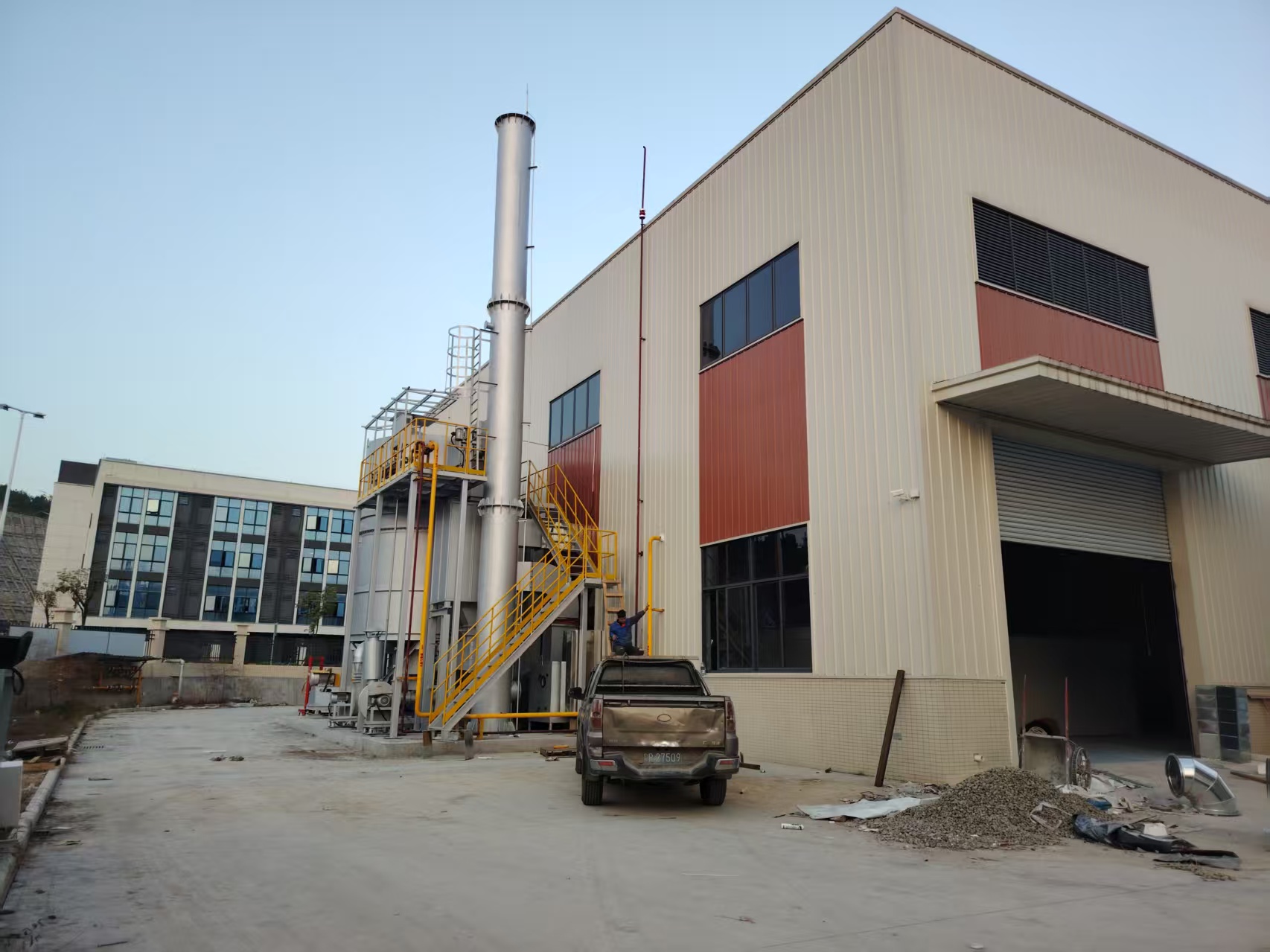
Below, we will make a brief statement on how to choose the corresponding gas boiler, which involves two core issues: the selection of "end of pipe treatment" (PE production exhaust gas) and "energy equipment" (boiler). Your question is essentially: Can the process exhaust gas (mainly VOCs) generated during the PE production process be used as fuel, incinerated in industrial gas boilers, and recover heat energy?
This solution is feasible in terms of physics, chemistry, and technology, but there are strict limitations and complex requirements in practice. Not all situations are applicable, and it is usually not the preferred or only solution. A more common approach is to use professional VOCs treatment equipment (such as RTO, RCO) to recover heat energy, with boilers as backup or supplementary heat sources.
Due to the particularity of the production process of PE protective film, we must clarify the following requirements when selecting gas boilers:
Ordinary natural gas boilers cannot directly process this complex exhaust gas, and must be selected or transformed into special fuel boilers or waste gas incineration dedicated boilers.
Burner type: Special burners suitable for low calorific value and multi-component exhaust gases must be selected. This type of burner typically has:
Stronger fuel/air mixing capability.
A regulating system that adapts to fluctuations in calorific value.
Special nozzle design to prevent clogging.
Highly corrosion-resistant material.
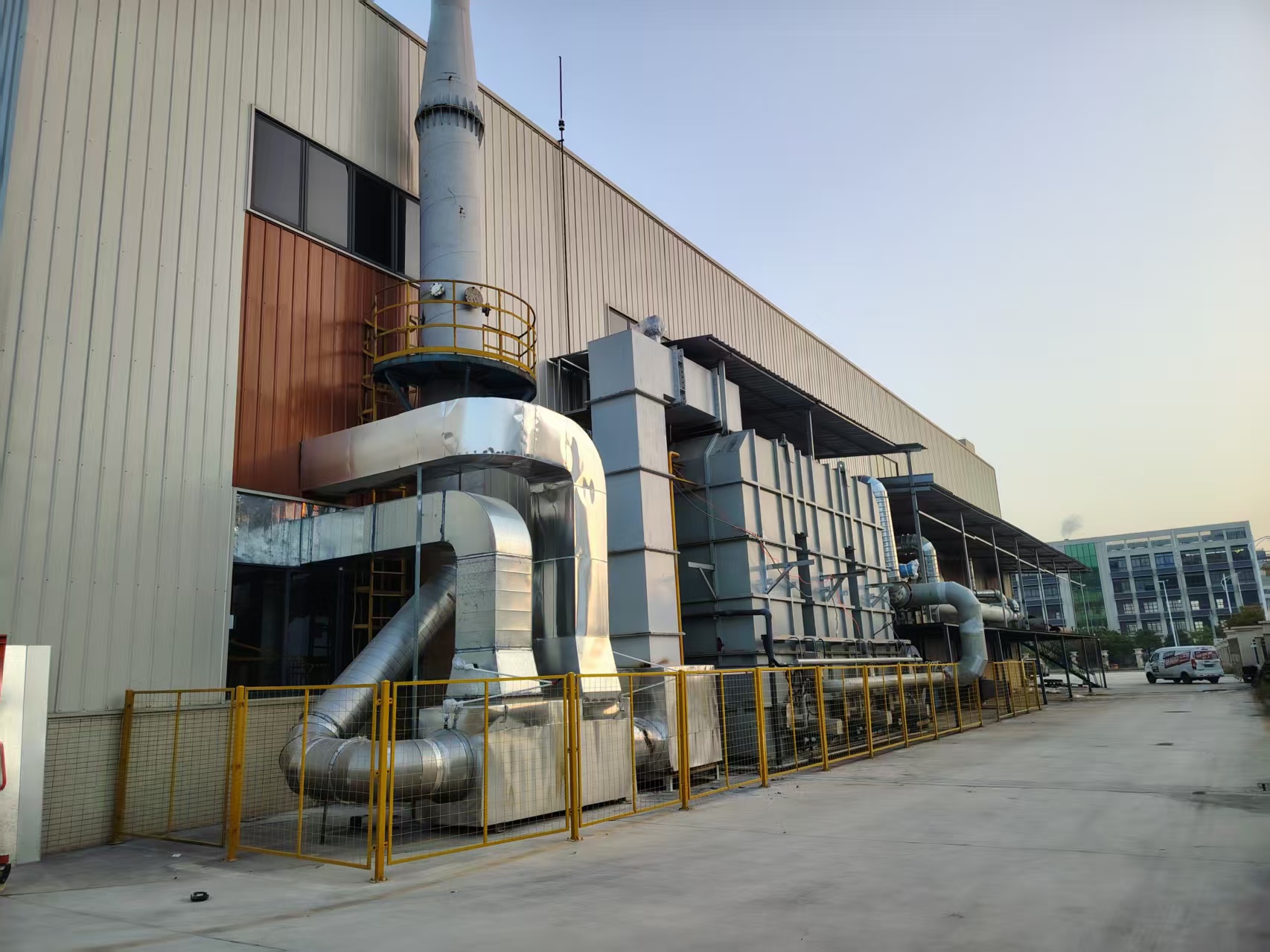
Boiler body design:
Furnace residence time and temperature: To ensure complete destruction of VOCs (DRE>99%), the furnace temperature needs to be maintained above 850 ° C, and the residence time of exhaust gas in the high-temperature zone usually needs to be greater than 0.5-1 second. Boiler design must meet this requirement.
Material requirements: If the exhaust gas contains halogens, the heat exchange surface of the boiler (especially the waste heat recovery part) should be made of acid resistant and corrosion-resistant materials (such as ND steel or higher grade stainless steel), or the exhaust gas temperature should be reduced to above the acid dew point, but it will sacrifice thermal efficiency.
Ash cleaning design: Consider possible scaling and facilitate ash cleaning and maintenance.
Safety and Control System:
Pre requisite: professional exhaust pre-treatment system (such as dust removal, defogging, cooling), buffer tank, precise proportional mixing and conveying system.
Interlocking protection: LEL concentration monitoring, flame monitoring, pressure/temperature anomalies, emergency shutdown and other interlocking protection systems are crucial and require much higher requirements than ordinary boilers.