
Company News
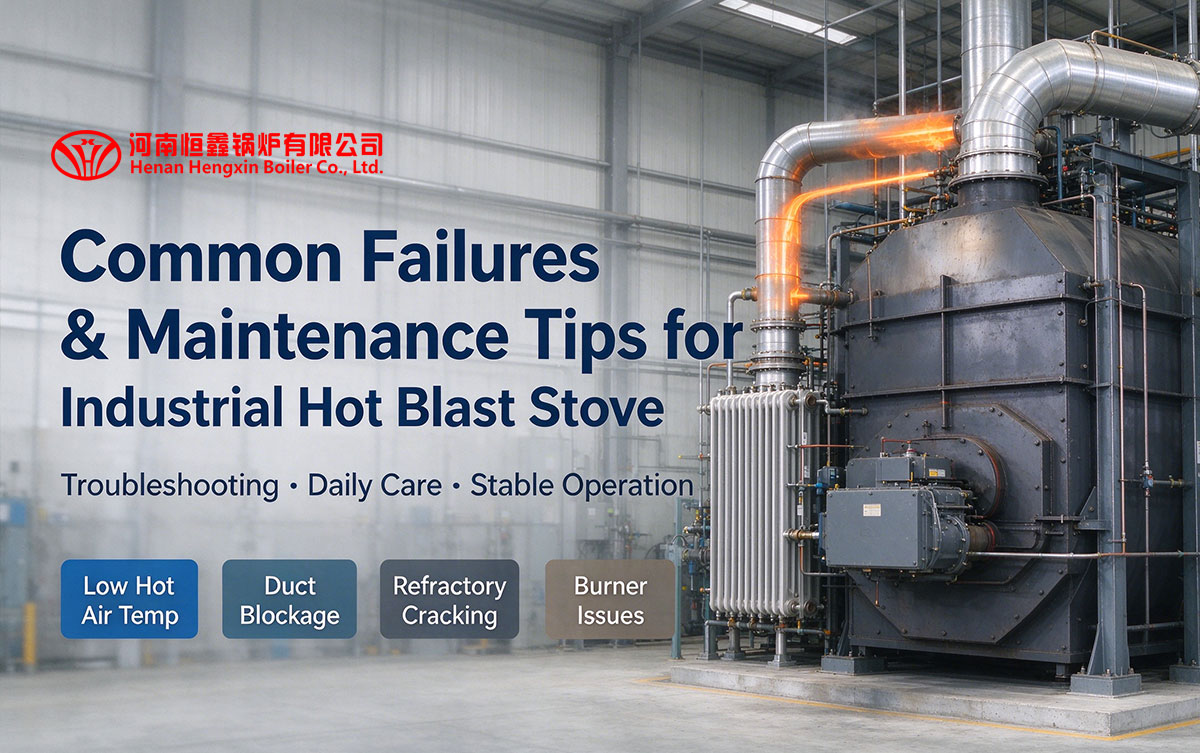
Industrial hot blast stoves are core thermal equipment widely used in food drying, textile processing, wood drying, chemical industry, agricultural product processing, and central heating systems. Unlike steam boilers and thermal oil heaters, hot blast stoves directly generate high-temperature clean hot air for production drying and heating, featuring fast heating speed and low energy consumption. However, long-term continuous operation, dusty working environments, and irregular daily maintenance easily cause common failures such as insufficient air temperature, blocked air ducts, refractory cracking, and burner ignition failure. Unresolved minor faults will lead to reduced production efficiency, increased fuel consumption, and even unplanned shutdown losses. This article summarizes the most common failures and professional maintenance tips for industrial hot blast stoves to help factory owners and overseas project buyers achieve stable and long-term equipment operation.
This is the most frequent problem in daily operation. Many factories find the stove cannot reach the set temperature, resulting in unqualified drying effect and slow production progress.
Root Causes: Serious soot accumulation on the heat exchanger, dust blockage in the air duct, insufficient fuel combustion, or aging heat insulation refractory leading to serious heat loss.
Failure Impact: Increased fuel waste, reduced production capacity, and inconsistent product drying quality.
Hot blast stoves mostly operate in dusty workshops such as wood processing, grain drying, and textile factories. Long-term operation causes a large amount of fiber dust, wood powder, and particle impurities to accumulate inside the air duct and filter screen.
Root Causes: Lack of regular dust cleaning, damaged filter screen, and unreasonable air duct layout causing dust deposition dead corners.
Failure Impact: Reduced hot air circulation volume, increased internal furnace pressure, and hidden dangers of local overheating.
The internal refractory brick and castable layer is the key to heat preservation and high-temperature resistance of hot blast stoves. Long-term high-temperature alternating operation and thermal shock will cause refractory aging.
Root Causes: Rapid temperature rise and cooling, unqualified refractory construction, and long-term high-temperature creep deformation of internal bricks.
Failure Impact: Severe heat loss, increased shell temperature, and even local furnace body burning damage in severe cases.
Gas-fired, oil-fired and biomass hot blast stoves often encounter ignition failure, flameout, black smoke, and incomplete combustion.
Root Causes: Blocked burner nozzle, unstable fuel supply, insufficient air intake ratio, and damaged ignition electrode.
Failure Impact: Fuel waste, exhaust gas exceeding standards, and potential safety hazards of gas accumulation.
Long-term operation of the fan and internal airflow turbulence will cause abnormal vibration and noise.
Root Causes: Loose fan bolts, damaged fan bearings, unbalanced internal airflow, and blocked local flue channels.
Failure Impact: Loosened equipment connection parts, aggravated component wear, and shortened overall service life.
Dust and debris are the biggest killers of hot blast stoves. Factories need to formulate fixed cleaning cycles: clean the filter screen, heat exchanger surface, and internal air duct dust every 7-15 days. Keep the air inlet and outlet unobstructed, and reserve enough heat dissipation space around the equipment to avoid air circulation dead corners. For wood mills and grain processing plants with heavy dust, the cleaning frequency should be appropriately increased.
Prohibit rapid temperature rise and sudden shutdown. Strictly follow the equipment heating curve for slow temperature rise during startup; after production stops, continue air circulation to cool down naturally, avoiding instantaneous temperature difference shock leading to refractory cracking. Check the furnace lining and refractory layer regularly during quarterly maintenance to repair small cracks in time and prevent fault expansion.
Regularly disassemble and clean the burner nozzle, check the ignition electrode and flame detector sensitivity, and adjust the air-fuel ratio to ensure full combustion. For biomass hot blast stoves, regularly clean the fuel accumulation and coking in the combustion chamber to avoid affecting combustion efficiency.
Check fan bearing lubrication, bolt tightness, and operating noise every month. Regularly calibrate temperature and pressure measuring instruments to ensure accurate data feedback, avoid abnormal operation of equipment caused by instrument deviation.
Carry out a comprehensive overhaul before the high-temperature production season and annual shutdown. Focus on checking heat exchanger integrity, duct tightness, refractory layer wear, and safety valve sensitivity. Timely replace aging accessories to ensure full-load stable operation in peak production seasons.
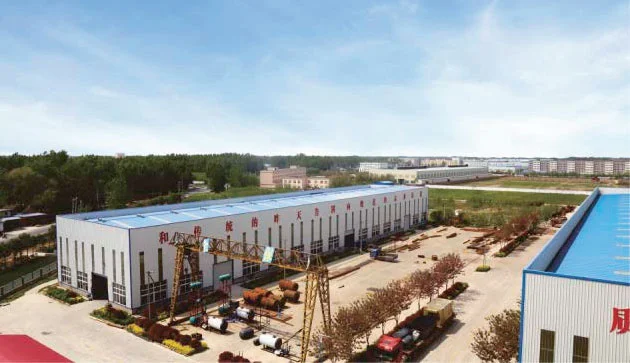
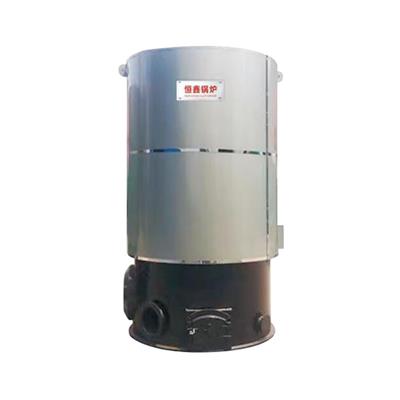
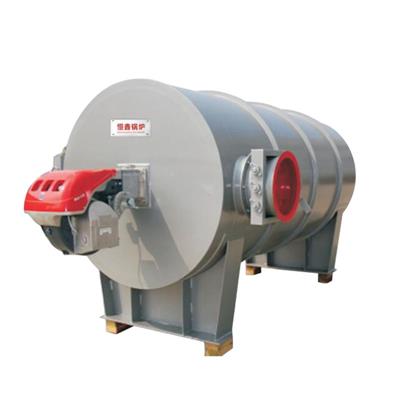
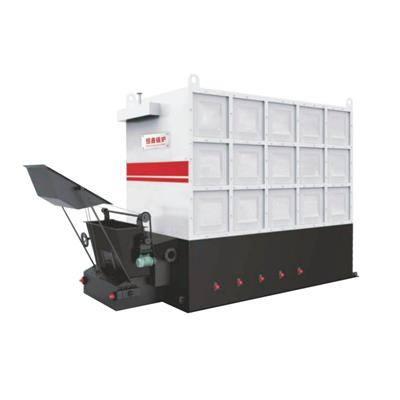
Hengxin industrial hot blast stoves adopt optimized internal flue structure and high-temperature resistant refractory materials, effectively avoiding common problems such as dust blockage, heat loss, and refractory cracking. Supporting multiple fuel methods including biomass, natural gas, diesel, and coal, the equipment is widely used in food drying, textile setting, wood processing, chemical heating, and agricultural product drying industries. We provide standardized equipment selection, customized system design, on-site installation guidance, and long-term after-sales maintenance services for global industrial production projects.
View more industrial heating equipment details:
https://www.hengxin-boiler.com/
A: The main reasons include dust blockage of heat exchanger and air duct, insufficient fuel combustion, refractory heat loss, and unreasonable air volume matching. Regular dust cleaning and combustion system debugging can effectively solve low temperature failure.
A: Avoid rapid temperature rise and sudden shutdown operation, follow standard heating and cooling curves, regularly inspect furnace lining cracks, and repair minor damage in time during routine maintenance to prevent large-area falling off.
A: Daily inspection for fan operation and combustion status; dust cleaning every 7-15 days; comprehensive quarterly inspection for refractory layer and air duct system; full annual overhaul to replace aging accessories and ensure long-term stable operation.
A: It is widely applicable to food drying, textile processing, wood industry drying, chemical heating, pharmaceutical drying, agricultural product processing, and factory central heating, supporting multiple fuel types to meet different project needs.