
Company News
Purchasing teams searching for an NWNS integrated condensing boiler are usually facing one of two situations: a new heating plant that must be commissioned quickly, or an older boiler room where fuel bills keep climbing. In both cases the integrated, skid-mounted condensing concept has become a practical answer, because the boiler body, condenser, pumps, water treatment and control system arrive on site as one coordinated package instead of a list of loose components. This guide explains how the NWNS integrated condensing boiler is built, where it performs best, what parameters to compare, and how to evaluate a supplier before signing a purchase contract.
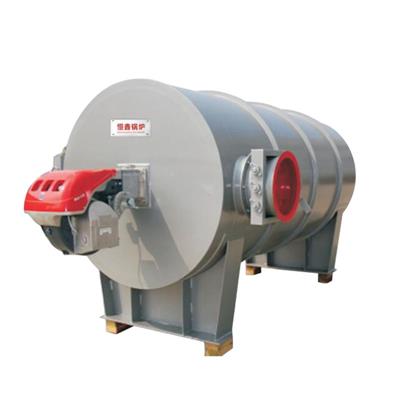
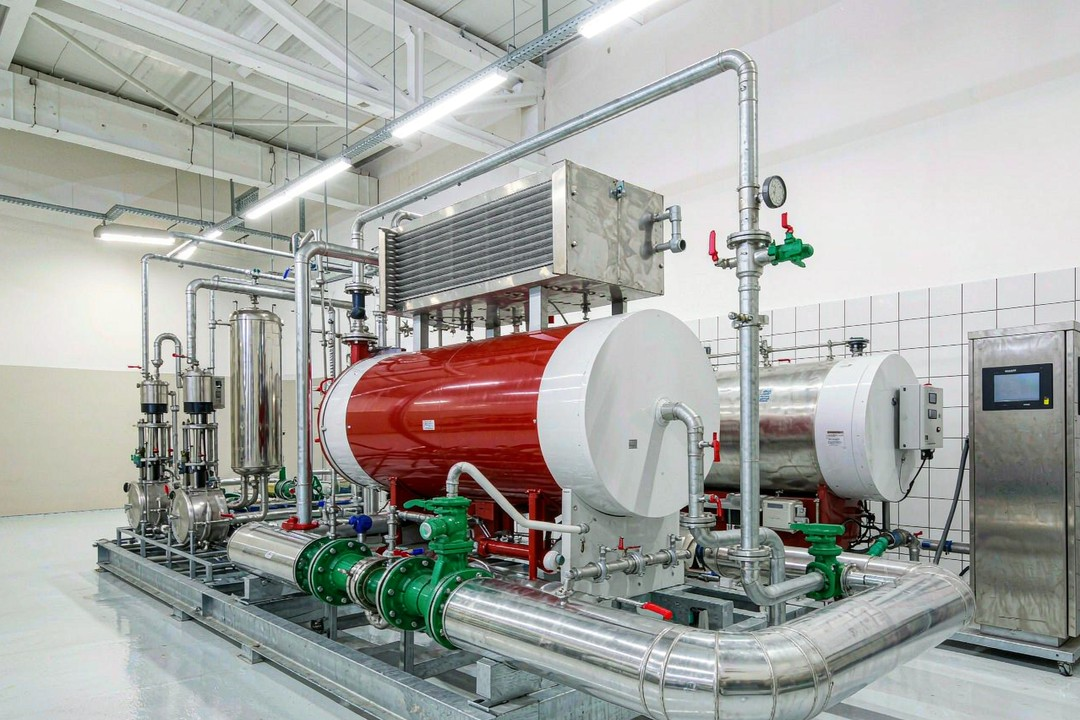
The NWNS series is a horizontally arranged, gas or oil fired condensing boiler supplied as an integrated packaged unit. The core idea is simple: instead of treating the boiler body and the flue gas condenser as two separately engineered products that a contractor has to match on site, the manufacturer designs them together, wires and pipes them together in the factory, and ships the complete skid to the project.
A typical NWNS skid combines the following equipment on one base frame:
The main boiler body, a wet-back horizontal fire-tube design with corrugated furnace and threaded smoke tubes.
An integrated condensing economizer on the flue gas path, which cools the exhaust below the water dew point and recovers latent heat.
Feed water pumps and circulation pumps, sized to match the boiler output.
A water tank and a water softener station, so the skid can be connected to a simple make-up water line.
A deaerator or venting arrangement to protect the system from oxygen corrosion.
A steam header or distribution manifold for steam versions of the plant.
A PLC based control cabinet with a touchscreen interface for automatic operation.
Because the engineering is done once in the factory, the buyer receives a plant whose hydraulic balance, flue routing and safety interlocks have already been verified, rather than a combination of parts from different vendors.
In a conventional boiler, the water vapour produced during combustion leaves the stack as hot flue gas, and the latent heat it carries is lost. A condensing boiler adds a secondary heat exchange surface downstream of the main heating surfaces. When the return water is cool enough, the flue gas is chilled below its dew point, the vapour condenses, and the released latent heat is transferred back into the system water.
The practical result is a noticeable rise in thermal efficiency compared with a non-condensing unit of the same rating, together with a visibly cooler and cleaner exhaust plume. The magnitude of the gain depends on return water temperature and load profile, which is why a competent supplier will always review the system design before promising a specific efficiency figure.
The second half of the integrated concept is the skid itself. Feed water treatment, pumping, deaeration and distribution are not accessories that can be added later without consequences; they shape how the boiler actually behaves in daily operation. By mounting these auxiliaries on the same base frame and piping them in the workshop, the manufacturer controls alignment, welding quality and pressure testing under one quality system.
For the buyer, this shortens the on-site work to four basic connections: fuel supply, make-up water, electrical power and the main heating or steam header. The boiler house layout also becomes predictable, because the skid footprint is fixed before the civil work starts.
District heating stations need plants that start early in the season, modulate deeply at partial load and tolerate variations in return water temperature. A packaged condensing skid fits this duty well: the control system can stage the burner according to the outdoor temperature curve, while the condenser keeps recovering heat during long shoulder-season periods. Real installations of this type are documented in the boiler application cases published by Hengxin Boiler.
Hotels and hospitals combine space heating with a continuous hot water demand. The integrated design suits these sites because the water treatment and storage equipment are part of the delivery, and because the compact footprint allows the plant to be placed in basements or rooftop machine rooms where every square metre counts. Low noise operation and clean flue gas discharge are additional benefits for buildings located in dense urban areas.
For factories that need process steam in the range of a few tonnes per hour, an NWNS steam version provides the same advantages: rapid installation, factory-tested piping and automatic control. Breweries, dairies, textile mills and pharmaceutical plants commonly use this class of packaged boiler, especially when the production line must start without a long construction phase.
When procurement teams compare the NWNS integrated condensing boiler with conventional assembled solutions, several practical advantages consistently influence the decision:
Faster project delivery. Factory assembly removes a large share of on-site piping and wiring work, so commissioning can start soon after the skid is craned into position.
Higher seasonal efficiency. Continuous flue gas condensation reduces fuel consumption across the whole heating season, not only at full load.
Smaller boiler house. A single skid replaces the traditional arrangement of a separate boiler, economizer, deaerator, softener room and pump group.
Lower installation risk. Pressure tests, electrical checks and burner tuning are completed before shipment under the manufacturer quality system.
Simplified maintenance. One supplier is responsible for the entire plant, which removes the typical disputes between boiler, pump and control vendors.
Cleaner emissions. Condensing operation, combined with a modulating gas burner, keeps combustion and exhaust behaviour within the limits normally required for urban projects.
The table below lists the parameter groups that a buyer should request when evaluating quotations for an integrated condensing boiler plant. Exact values vary with the selected model, the fuel and the project conditions, so the figures below are indicative ranges for this product class.
| Parameter | Typical Range / Description |
|---|---|
| Rated thermal power | Approx. 0.7 MW to 14 MW per unit for hot water versions; steam versions in the matching tonnage range |
| Working pressure | Atmospheric or low pressure for hot water types; 1.0 MPa class and above for steam types |
| Applicable fuels | Natural gas, LPG, city gas, diesel and light fuel oil depending on burner selection |
| Thermal efficiency | Condensing operation with recovered latent heat, highest at low return water temperatures |
| Control system | PLC cabinet with touchscreen, outdoor temperature compensation, modulating burner control |
| Skid equipment | Condenser, feed water pumps, circulation pumps, water tank, softener, deaerator, steam header |
| Delivery form | Factory-assembled skid with painted body, pre-tested piping and wiring |
Two details deserve special attention. First, always ask the supplier to state the return water temperature at which the quoted efficiency is achieved. Second, confirm whether the condensing section material is suitable for the water chemistry of your system, because flue gas condensate is mildly acidic and demands corrosion resistant surfaces.
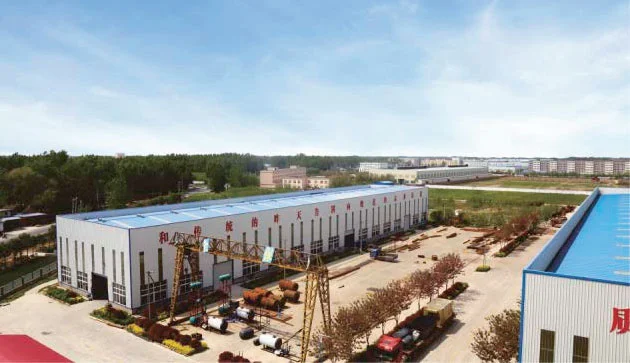
A credible supplier should operate its own pressure parts workshop, hold the boiler manufacturing licence required in its country, and provide welding procedure records and hydrostatic test reports for the specific unit being purchased. Factory photos, a plant tour or a third-party inspection visit are reasonable requests for any project above a few hundred kilowatts.
The difference between suppliers shows most clearly during the engineering phase. Look for a team that reviews your heating load calculation, checks the return water design temperature, proposes the correct skid layout for your machine room and supplies foundation drawings before the equipment is manufactured. After delivery, commissioning supervision and operator training should be included in the scope, not sold as an optional extra.
Condensing boilers contain components that will need periodic attention: burner electrodes and gaskets, pump seals, control sensors and the condensate neutralisation media. Ask each candidate supplier for the list of recommended spares, the lead time for expedited shipments and the remote support arrangements. A supplier that can describe this clearly in the tender stage will usually handle warranty claims in the same organised way.
To keep an integrated condensing boiler project on schedule, buyers and contractors can follow this sequence:
Confirm the machine room dimensions, door openings and crane capacity against the skid shipping drawing.
Prepare the foundations, cable trays and pipe penetrations before the skid arrives on site.
Connect fuel, make-up water, drainage, power and the main heating header, then flush the system water side.
Fill and treat the system water to the specification stated in the operating manual, and verify softener and deaerator function.
Carry out burner commissioning and combustion setting with the manufacturer supervisor present.
Record baseline operating data such as flue gas temperature and stack appearance, so future seasonal maintenance can be compared against a known starting point.
A: Condensation begins once the flue gas is cooled below its water dew point, so the lower the return water temperature, the more latent heat can be recovered. In practical systems, return temperatures in the range of roughly 40 to 55 degrees Celsius allow the condensing section to work effectively; the supplier should model your specific network curve before quoting an efficiency figure.
A: In most cases yes, and this is one of the most common retrofit scenarios. The skid footprint is usually smaller than the coal fired plant it replaces, the flue can often reuse the existing stack after inspection, and the gas supply connection is coordinated with the local utility. A site survey will confirm the machine room access route and the condition of the existing distribution network.
A: Because the auxiliaries are already piped and wired in the factory, the on-site work is reduced to the main connections and commissioning. Depending on site readiness, many projects move from skid arrival to trial operation within days rather than weeks. The exact duration still depends on civil work, fuel connection approvals and the completeness of the site preparation described in the checklist above.
A: Prepare the heating or steam demand, the medium and its supply and return temperatures, the available fuel and its pressure, the machine room dimensions, and the voltage and frequency of the site power supply. With this data, an experienced engineering team can select the model, propose the skid configuration and issue a priced technical proposal quickly.
Hengxin Boiler manufactures the NWNS integrated condensing boiler series together with a full range of gas, oil, biomass and electric heating products, and supports customised designs based on customer drawings and site conditions. If you are planning a new heating plant or a boiler replacement, send your load data and machine room layout to the engineering team through the contact page, and you will receive a model selection, a skid layout proposal and a quotation matched to your project conditions.