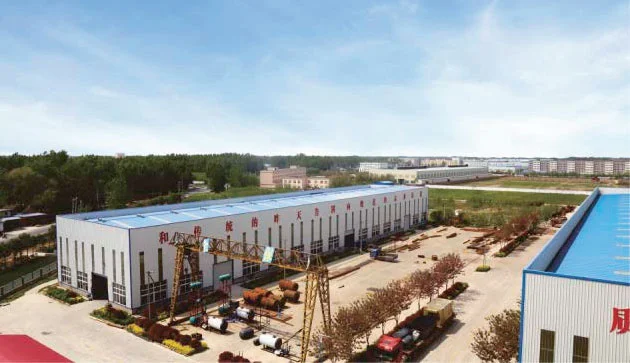

Company News
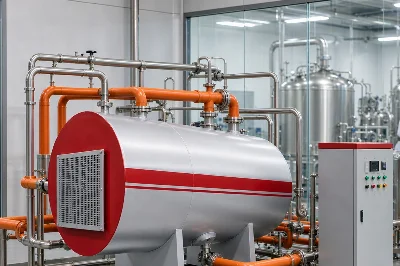
A cosmetics plant lives and dies by one thermal operation that most consumers never think about: turning a blend of oils, waxes, actives and water into a smooth, stable emulsion, batch after batch, at exactly the right temperature curve. Every cream, lotion, shampoo and serum line runs through jac...
View Details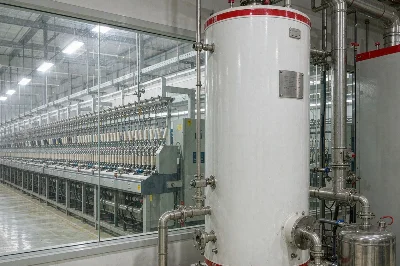
A spinning mill runs on two quiet utilities that never appear on the product label: conditioned air and small, precisely timed quantities of steam. Ring spinning and winding sheds hold 55 to 65 percent relative humidity through the winter to keep static electricity down and yarn breaks low, while ...
View Details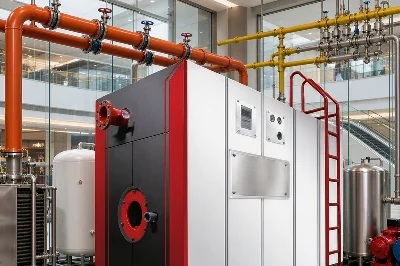
A large shopping mall is one of the hardest ordinary buildings to heat and feed with hot water. The retail halls run huge air handling units, a dozen entrance doors push cold air inside through air curtains all winter, a food court and dozens of restaurants draw domestic hot water in sharp morning...
View Details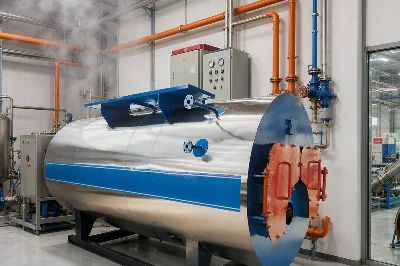
A cable factory turns copper rod into finished insulated and sheathed cable through drawing, stranding, insulation extrusion, curing, screening and sheathing, and the step that decides product quality more than almost any other is curing. Rubber insulation is vulcanized inside a long pressurized s...
View Details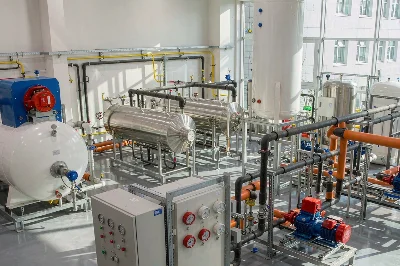
A hospital is the most demanding customer a hot water boiler will ever serve. Ward radiators must stay warm through the coldest night of the year, operating theatres and air handling units need stable reheat coils around the clock, and the domestic hot water system cannot fail, because clinical st...
View Details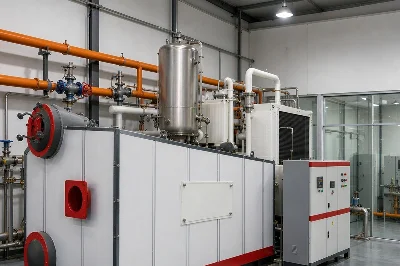
When a dozen factories share one boundary wall, the cheapest kilogram of steam is the one produced in a properly designed central plant. Each tenant alone would buy a small fire tube boiler, hire an operator, hold a fuel contract and accept a maintenance burden that never disappears; together they...
View Details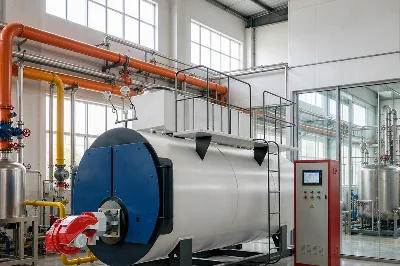
Amino acid fermentation is measured in grams per litre, but it is paid for in tonnes of steam. Every batch opens with a sterilisation cycle that has to reach 121 degrees Celsius and hold there, the broth is then concentrated through a multi effect evaporator, and the finished lysine, threonine or ...
View Details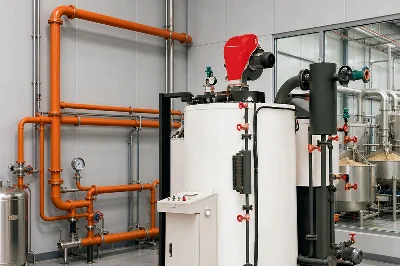
A pulp molding plant turns waste paper into egg trays, fruit trays, cup carriers and industrial cushioning with nothing more exotic than water, a forming vacuum and heat. Yet the heat side decides whether the plant earns money. A drying tunnel that runs ten degrees cold slows the conveyor, the tra...
View Details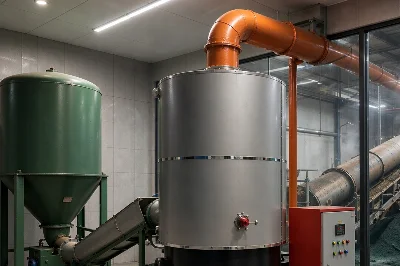
A casting foundry buys metal, melts it, pours it, and then spends a surprising share of its energy budget on sand. Green sand systems circulate hundreds of tonnes of moulding sand a day, and every tonne that leaves the system as spillage, core sand or dust must be replaced with new sand that arriv...
View Details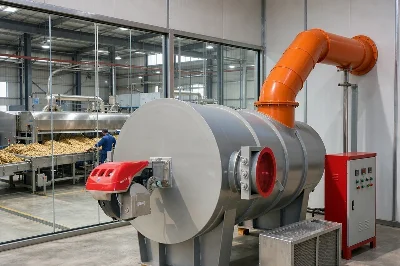
A tobacco redrying plant is one of the most sensitive environments in any heat using industry. Strip leaf arrives at the primary processing line with the aromas that buyers pay for, and every kilogram of that leaf passes through a dryer where hot air touches it directly. If the air carries combust...
View Details