
Company News
Industrial heating is the core of many production lines. When overseas buyers plan to upgrade existing heating systems or purchase new heating equipment, they often search thermal oil heater vs steam boiler to find the most suitable solution for their factory.
Many procurement managers are confused about the differences between thermal oil heater and steam boiler. Both are widely used industrial heating devices, but they work in different ways and fit distinct production scenarios. Making the wrong selection will lead to unstable production, higher running cost and frequent maintenance troubles.
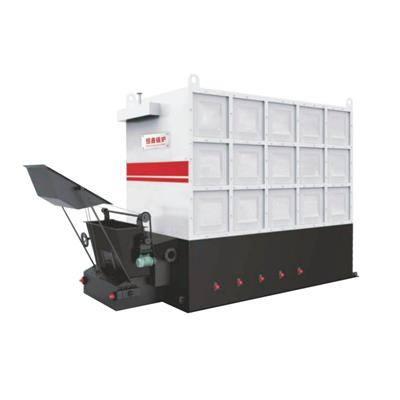
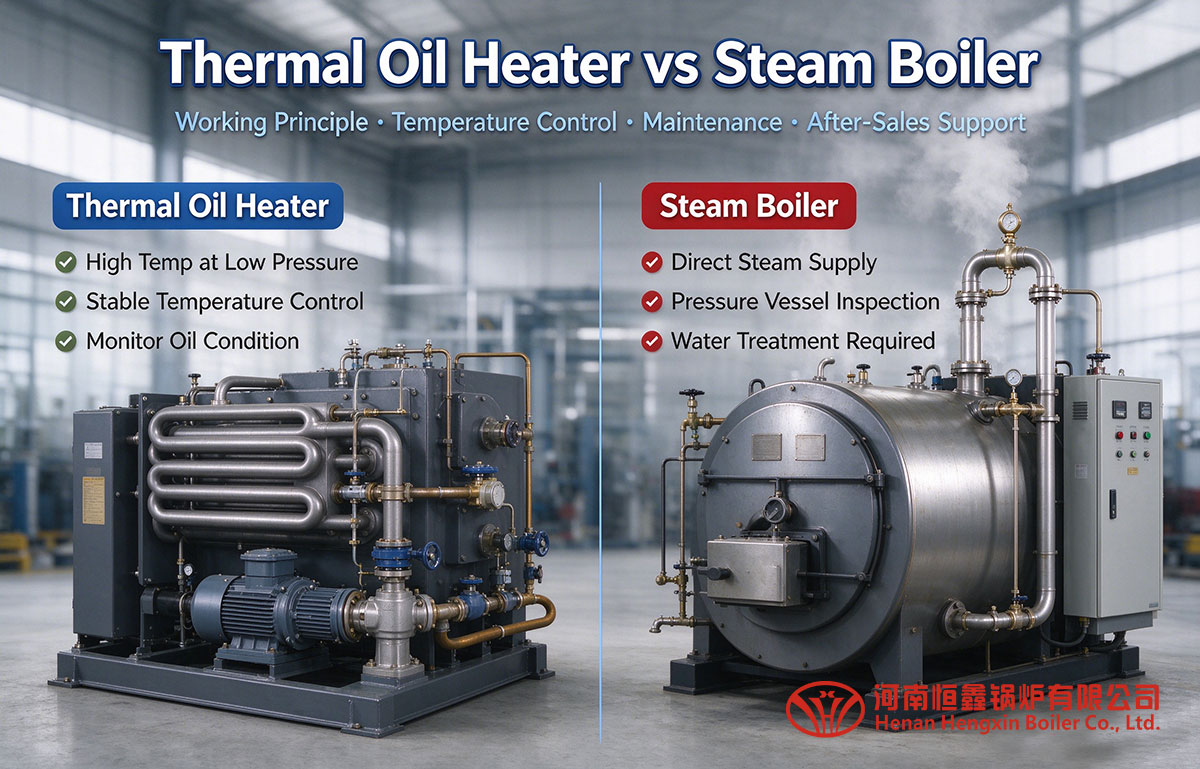
A steam boiler heats water to generate high-pressure steam, and transfers heat through steam. It can supply high heat energy for sterilization, cooking, textile dyeing, chemical reaction and heating. The working medium is water, which is cheap and easy to obtain. But steam systems require pressure vessel inspection, strict pipeline pressure protection and regular water treatment.
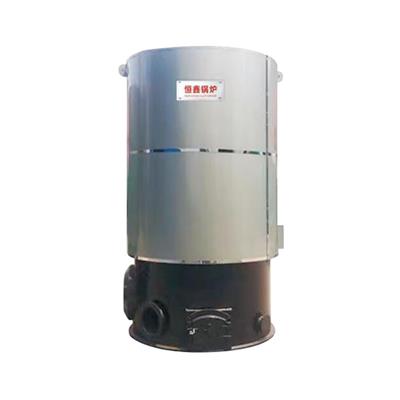
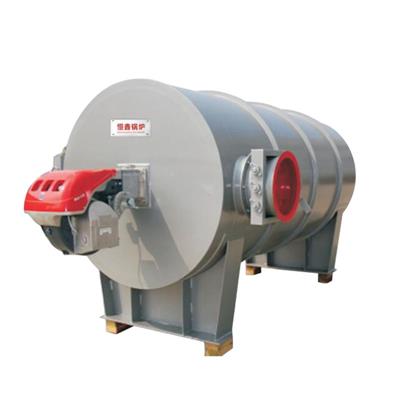
A thermal oil heater (also known as thermal oil boiler) uses heat transfer oil as the medium. It can reach high temperature under low pressure, and provides stable and precise temperature control. It is popular for drying, asphalt heating, composite material production, wood processing and plastic industry.
Steam boiler: High pressure when reaching high temperature. For temperature above 180℃, steam boiler needs to bear relatively high pressure.
Thermal oil heater: Operates under near atmospheric pressure, while medium can reach up to 300℃. It is safer for high-temperature low-pressure working requirements.
Thermal oil heater offers more stable and accurate temperature regulation, with small temperature fluctuation. Steam boiler’s temperature is linked with pressure, so temperature adjustment is less precise.
Steam boiler needs continuous water softening treatment to prevent scale inside tubes. Scale buildup reduces thermal efficiency and may cause pipe leakage. Regular blowdown and pressure inspection are mandatory.
Thermal oil heater does not need water treatment. However, heat transfer oil will degrade after long-term use. Users need to monitor oil quality, replace oil periodically and clean coking deposits.
Before placing orders, overseas purchasers shall evaluate potential after-sales risks of both equipment:
Steam boiler: Pressure components belong to special equipment. Local regular annual inspection is required. If the supplier cannot provide technical guidance for inspection, factory operation will be affected. Tube scale, water pump failure and steam leakage are common faults. Spare parts like safety valve, water level gauge need regular replacement.
Thermal oil heater: The main after-sales problems include heat transfer oil aging, oil pump failure, pipeline coking and oil leakage. Coking inside coil tubes will reduce heating efficiency. Suppliers need to offer remote troubleshooting, spare parts supply and on-site installation guidance.
Choose steam boiler if your process requires steam directly, such as food sterilization, distillation, textile steaming, and your team can manage pressure vessel routine inspection and water treatment.
Choose thermal oil heater if you need constant high temperature at low pressure, precise temperature control for drying, asphalt, chemical or wood processing.
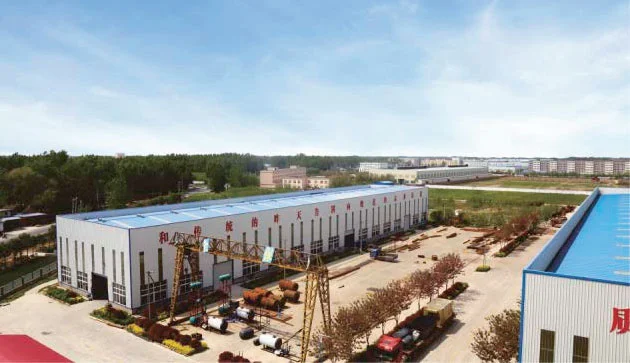
Hengxin Boiler supplies both thermal oil heaters and steam boilers. We provide full service including design, manufacturing, installation guidance, spare parts and after-sales technical support. View our full boiler product range: https://www.hengxin-boiler.com/en/product/
A: The core difference is heat transfer medium and working pressure. Steam boiler uses high-pressure steam; thermal oil heater uses heat transfer oil to get high temperature under low pressure.
A: Thermal oil heater saves water treatment work, but needs to check heat transfer oil condition. Steam boiler needs water softening and regular pressure inspection. Maintenance workload depends on your local operation condition.
A: Not always. If your production line needs steam medium (like steaming, sterilization), thermal oil heater cannot replace steam boiler. It only provides circulating heat conduction.
A: We supply operation manual, remote technical guidance, spare parts and overseas installation consultation for thermal oil heater and steam boiler.