
Company News
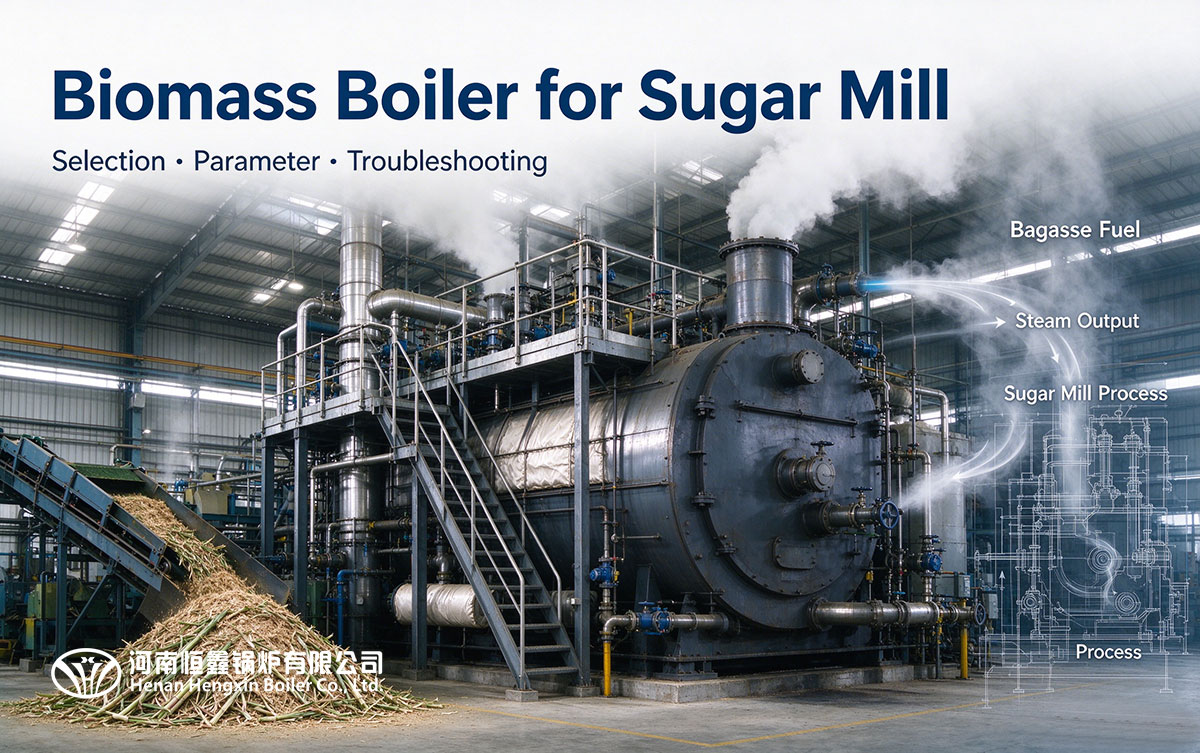
Sugar mills produce large amounts of sugar cane bagasse as a by-product during sugar processing. A biomass boiler that burns bagasse is the most cost-effective heat and steam solution for sugar factories. Many overseas sugar mill project buyers and engineering contractors search for bagasse-fired biomass boilers to match steam demand, fuel characteristics and local emission standards. Improper boiler selection will lead to insufficient steam output, unstable combustion, frequent shutdowns and high maintenance costs.
Sugar mill biomass boilers mainly use sugar cane bagasse as fuel. Some projects also mix with rice husk, wood chips or palm fiber.
The core demand of sugar factories:
Stable steam supply for juice extraction, evaporation, crystallization and sugar drying processes;
Adapt to high moisture bagasse, because fresh bagasse usually contains 45%~55% water;
Continuous 24-hour long running capability for sugar crushing season;
Reasonable emission control to meet local environmental regulations.
Buyers need to confirm these technical parameters before ordering:
Rated steam capacity: Usually 10 ton/h ~ 75 ton/h for medium and large sugar mills;
Working pressure: 1.25MPa, 1.6MPa, 2.5MPa are common options;
Steam temperature: saturated steam or superheated steam;
Fuel adaptability: Must be designed for high moisture bagasse;
Boiler efficiency: High efficiency design reduces bagasse consumption;
Auxiliary system: bagasse feeding system, ash removal system, flue gas dust removal system.
When the steam capacity is underestimated, the boiler cannot meet the peak steam demand during crushing season. If the boiler furnace is not designed for high-moisture bagasse, incomplete combustion and heavy smoke will happen.
Cause: High moisture of bagasse, insufficient air supply, poor furnace structure.
Troubleshooting: Control bagasse moisture; adjust primary and secondary air volume; check furnace refractory.
Cause: Bagasse contains high potassium and sodium, easy to form ash deposit at high temperature.
Troubleshooting: Regular soot blowing; optimize combustion temperature; select suitable boiler structure.
Cause: Fuel feeding is not uniform, boiler capacity is insufficient.
Troubleshooting: Stabilize automatic feeding system; check if boiler rated capacity matches factory peak steam consumption.
Cause: Large amount of ash from bagasse combustion.
Troubleshooting: Optimize ash removal equipment; arrange regular maintenance during off-crushing season.
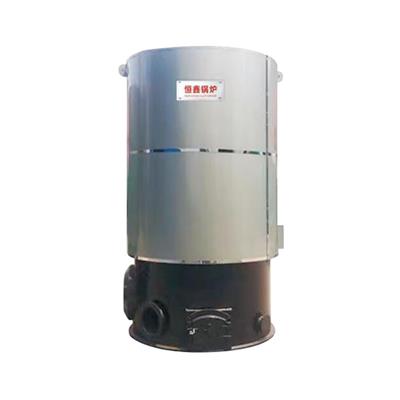
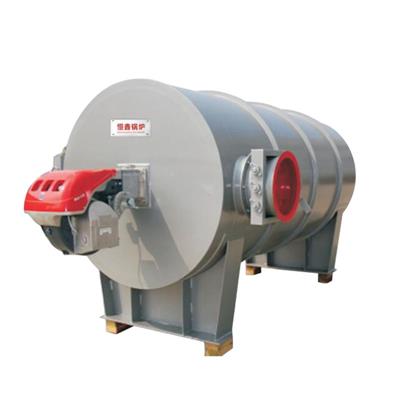
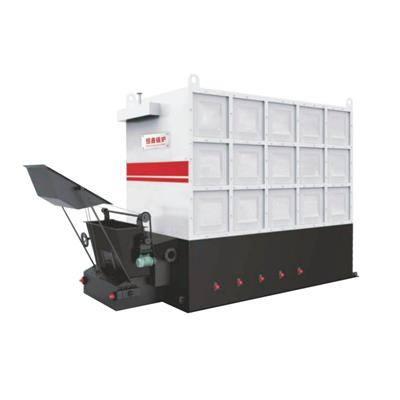
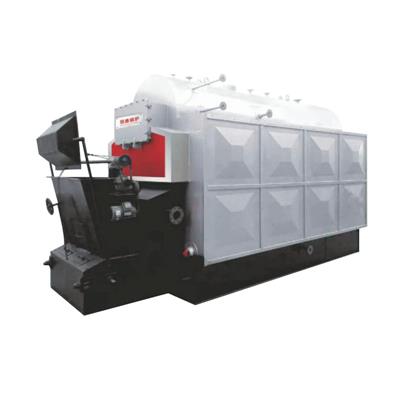
Hengxin supplies bagasse fired biomass steam boilers specially designed for sugar mill projects. Our boiler furnace structure adapts to high moisture sugar cane bagasse. We can customize boiler capacity, pressure and auxiliary system according to sugar mill steam demand, local fuel condition and emission requirements. We support project drawing design, factory inspection, site installation guidance and after-sales maintenance service.
Check our biomass boiler product page for detailed specifications:
https://www.hengxin-boiler.com/
A: The main fuel is sugar cane bagasse from sugar production. It can also mix burn rice husk, wood chips and other biomass fuels. The boiler furnace is specially designed for high moisture bagasse.
A: Medium sugar mills commonly adopt 10t/h ~ 75t/h biomass steam boilers. The exact tonnage depends on daily sugar output and total steam consumption of evaporation and crystallization process. We can calculate the required boiler capacity according to your project data.
A: The most frequent issues are incomplete combustion, heating surface slagging, unstable steam pressure and flue ash blockage. Most problems are related to bagasse moisture, fuel feeding system and boiler structure design.
A: Yes. We can supply bagasse feeding machine, ash remover, dust collector and control system as a complete package. We also provide technical support for site installation and commissioning for overseas sugar mill projects.