
Company News
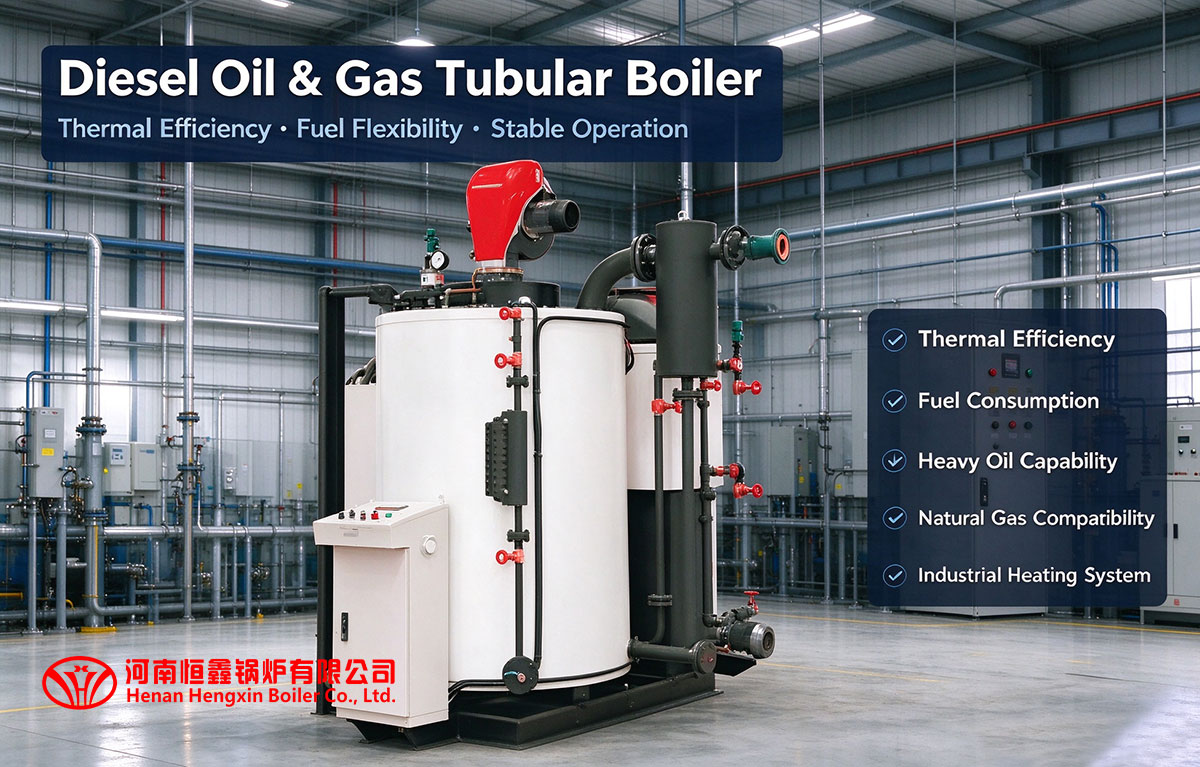
When industrial buyers search for diesel oil gas tubular boiler or heavy oil natural gas tubular boiler, they are often looking beyond basic equipment specifications. They want to understand how thermal efficiency affects fuel consumption, operating costs, return on investment and long-term profitability.
Thermal efficiency is one of the most important evaluation criteria for an industrial tubular boiler. In simple terms, it measures how much heat from the fuel is actually transferred to the working medium, such as water or steam. Higher thermal efficiency generally means less fuel is wasted, lower energy costs and reduced emissions for the same heat output.
For diesel oil gas tubular boiler applications, fuel type can influence both combustion performance and thermal efficiency. Natural gas burns cleanly and is relatively easy to stabilize, while diesel and heavy oil require proper atomization, combustion chamber design and temperature control. Heavy oil, in particular, may need preheating and more careful maintenance to keep combustion efficient and stable.
A well-designed heavy oil natural gas tubular boiler should provide effective heat exchange through its tubular heating surface. The boiler tubes, furnace volume, combustion system, flue gas flow and heat recovery components all affect final efficiency. Buyers should not compare efficiency numbers without knowing the test conditions, fuel quality, load range and auxiliary power consumption.
When evaluating a tubular boiler thermal efficiency, industrial buyers should consider the following factors: actual operating load, fuel calorific value, excess air ratio, flue gas temperature, insulation level, blowdown rate, maintenance condition and auxiliary system energy use. A boiler that looks efficient on paper may perform differently under real working conditions.
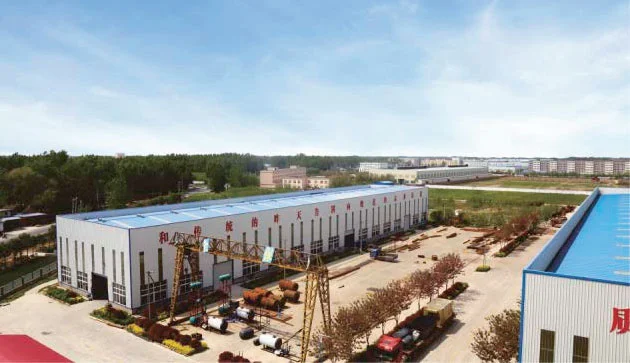
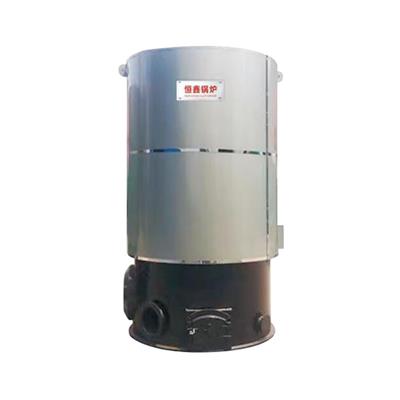
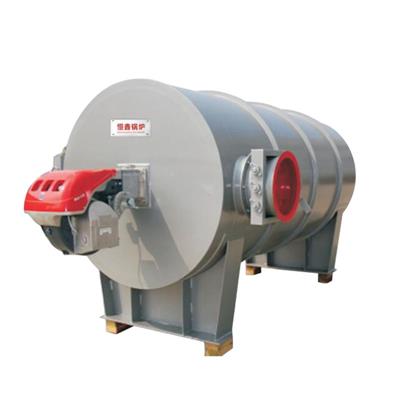
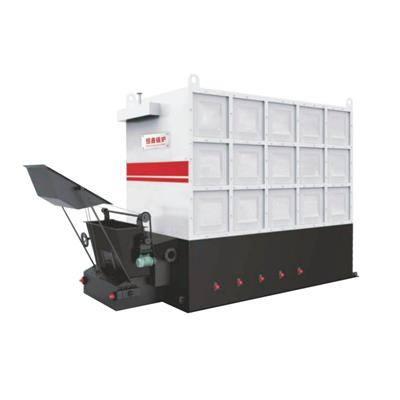
Hengxin Boiler supplies tubular boilers designed for diesel, heavy oil and natural gas. Our focus is to help customers select a suitable industrial heating system based on actual heat demand, fuel availability, operating schedule and budget. We provide technical data, efficiency analysis, fuel consumption estimates and after-sales support to support buyer decision-making.
We do not claim the highest efficiency in all conditions. Instead, we help customers understand the relationship between thermal efficiency, fuel cost and total cost of ownership. For industrial projects, a reliable boiler with stable combustion and easy maintenance may deliver better long-term value than a paper-only high-efficiency solution.
If you are sourcing a diesel oil gas tubular boiler for your industrial project, contact us for technical discussion and a customized proposal.
Product page:https://www.hengxin-boiler.com/en/tubular-boiler/diesel-oil-heavyoil-natural-gas-tubular-boiler.html
A: Thermal efficiency is the ratio of useful heat output to the total heat input from fuel. Higher efficiency generally means less fuel consumption for the same heat load.
A: Efficiency depends on boiler design, combustion system, fuel quality and operating conditions. Natural gas is typically clean and stable; diesel is easier to burn than heavy oil; heavy oil requires preheating and proper atomization.
A: You can improve efficiency by optimizing excess air ratio, reducing flue gas temperature, maintaining tube cleanliness, improving insulation, controlling blowdown and keeping the combustion system in good condition.
A: Buyers should compare thermal efficiency, fuel flexibility, output capacity, operating cost, maintenance convenience, delivery time, spare parts support and total cost of ownership.
A: Yes. We can provide reference efficiency data and fuel consumption estimates based on your fuel type, load conditions and project parameters.